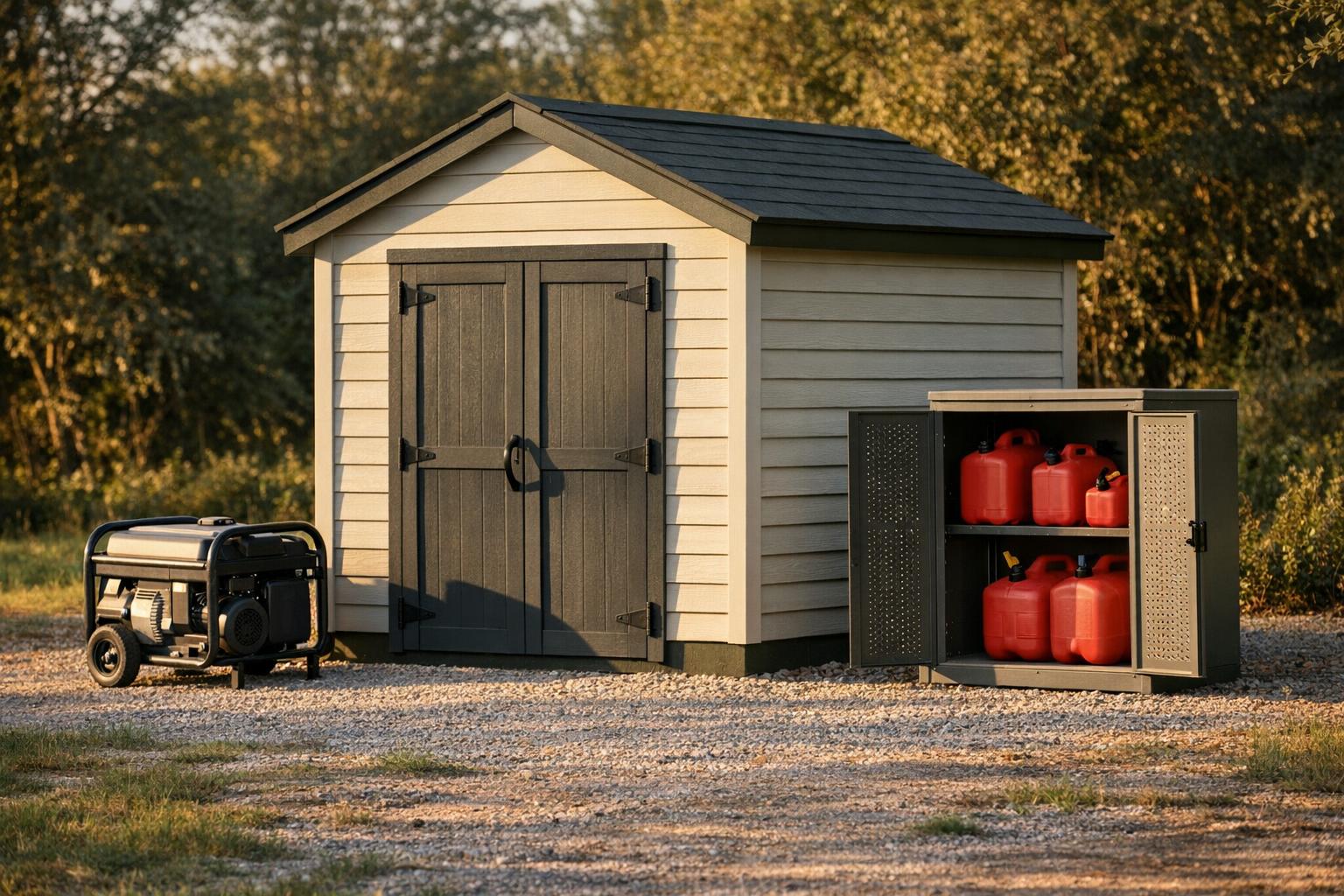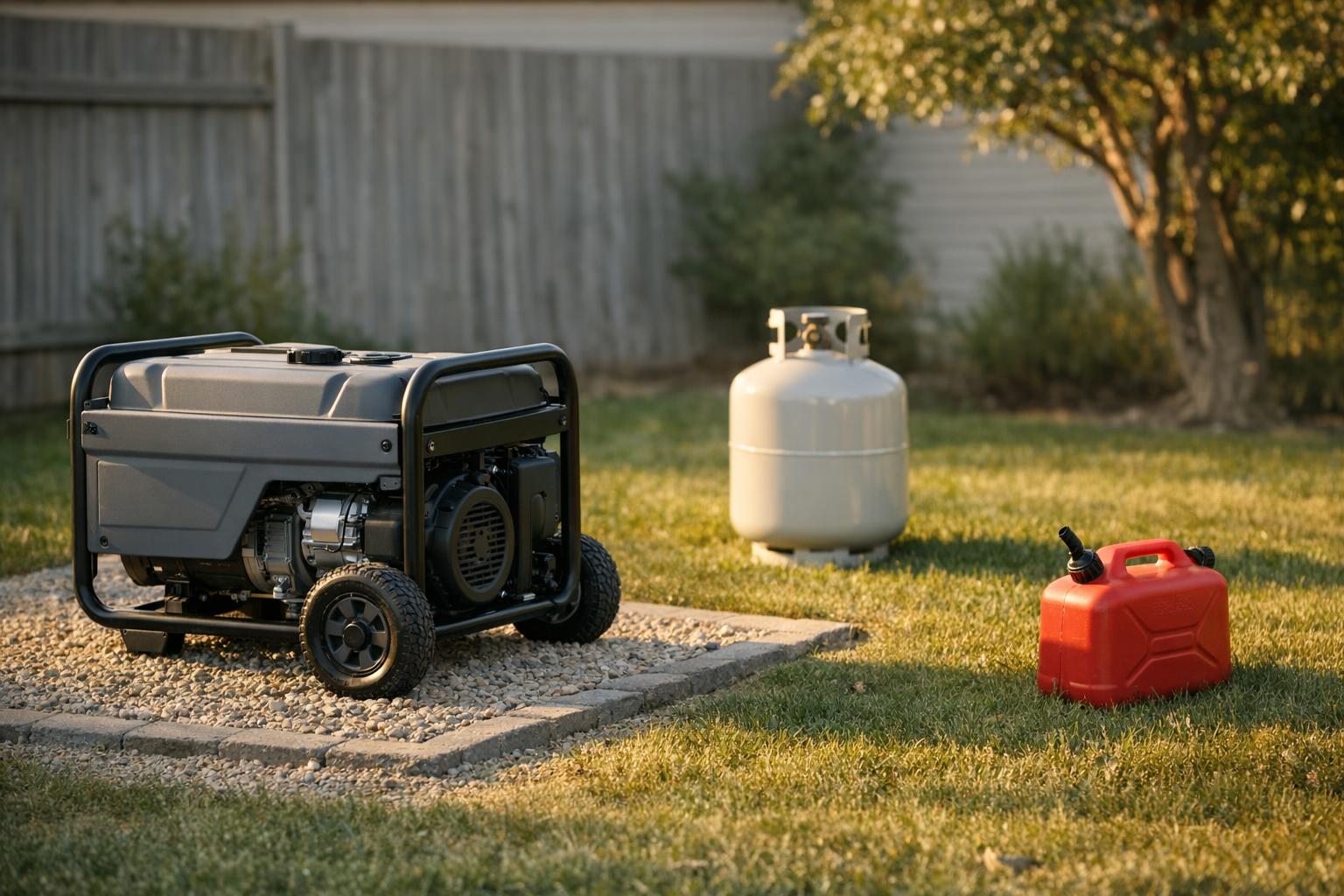
The dual fuel premium buys you one thing above all: options when fuel is scarce. Whether that flexibility is worth it depends on how long an outage you plan for, what you can store safely, and which fuel your area actually has left when the power is out.
What dual fuel actually means
A dual fuel portable generator runs on gasoline or on propane (LPG), switched by a selector and a regulator; tri-fuel models add a natural gas connection. The engine is the same — what changes is energy density and the practical logistics of each fuel. Listings publish separate wattage ratings per fuel: propane output is typically 5–10% below the gasoline rating, and natural gas lower still. Plan around the rating for the fuel you will actually depend on.
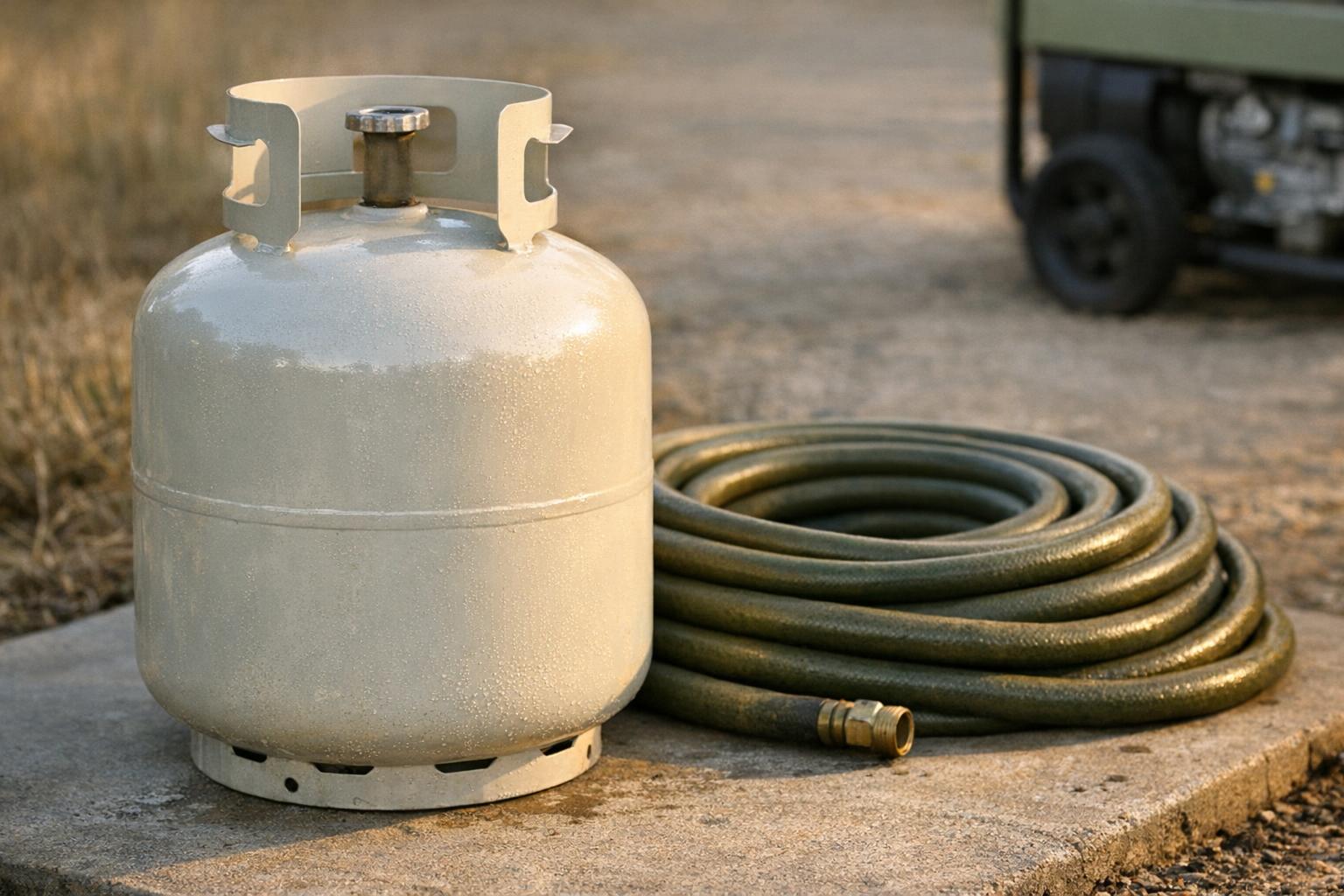
The storage-life argument for propane
Gasoline degrades over months even with stabilizer, gums carburetors, and must be rotated. Propane stores indefinitely in sealed cylinders, and the standard 20 lb exchange cylinder is available at hardware stores, supermarkets and fuel stations. For a generator that may sit unused for a year between outages, propane’s shelf life is a structural advantage — with the storage practices in our fuel storage guide and always per the manufacturer’s manual.

The outage-logistics argument for flexibility
In a regional outage, gas stations without power cannot pump, and the stations that can pump grow lines. Propane exchange racks are a separate supply chain. A dual fuel unit lets you start the outage on stored propane and switch to gasoline when it becomes available — or the reverse. That optionality, not any single fuel’s virtue, is what the dual fuel premium purchases.
What gasoline-only still does well
Gasoline-only units are simpler, often slightly cheaper at the same wattage, and gasoline’s higher energy density means the full advertised output and the longest runtimes per tank. If you refuel from cans you already rotate for other equipment, and your outage planning horizon is a day rather than a week, a gasoline unit remains a rational choice — our gas-only collection lists the documented options.
Runtime arithmetic across fuels
Compare runtimes honestly: listing runtimes are quoted at fractional loads, and a 20 lb propane cylinder holds roughly the energy of about 4.7 gallons of gasoline before efficiency differences. At a partial whole-home load, a large frame can empty a 20 lb cylinder in well under a day — so a propane-centric plan means multiple cylinders, and a gasoline-centric plan means stored, stabilized, rotated cans. The winning setup is the one whose refueling rhythm you will actually sustain on day three.
How our comparisons treat fuel flexibility
Our dual fuel home backup comparison scores fuel support as 20% of the documented spec fit — real but subordinate to the wattage pair, because flexibility never substitutes for adequate output. CO-sensing shutoff systems (marketed as CO Secure, CO Shield and similar), covered in our CO safety guide, appear across both fuel classes and are worth prioritizing regardless of fuel choice.
Making the decision for your household
If you are still undecided, work backward from two questions rather than from brand preference. First: how long is the outage you are realistically planning for — a single overnight, or the multi-day scenario that follows a hurricane or ice storm? Longer planning horizons favor propane's shelf life and the flexibility of carrying both fuels. Second: what does your household already store and rotate for other equipment? If you already keep stabilized gasoline for a lawn mower or snow blower, a gasoline-only generator adds no new storage discipline to learn; if you store nothing flammable today, propane's indefinite shelf life in sealed cylinders may be the lower-friction addition to your household.
Cost is a legitimate part of the decision too. Dual fuel capability typically adds a premium to the same wattage class, and that premium buys optionality you may or may not use in any given outage. Weigh it against the cost of maintaining a rotation discipline for stored gasoline over years of ownership — a discipline that, if skipped, can leave a gasoline-only unit unable to start on the one day it is needed. Whichever you choose, both classes benefit from the CO-sensing shutoff systems and safe placement rules covered in our CO safety guide, which apply regardless of fuel type.
One more practical note: if you already own a gasoline-only unit and are weighing an upgrade, consider whether a propane conversion kit exists for your exact model before buying a new dual fuel generator outright. Some manufacturers and third parties sell certified conversion kits that add propane capability to an existing gasoline engine, though warranty and safety implications vary by brand and should be confirmed with the manufacturer before installation, not assumed from a forum post.